From Mentee to Mentor: Dana Goertzen’s Path to Coaching
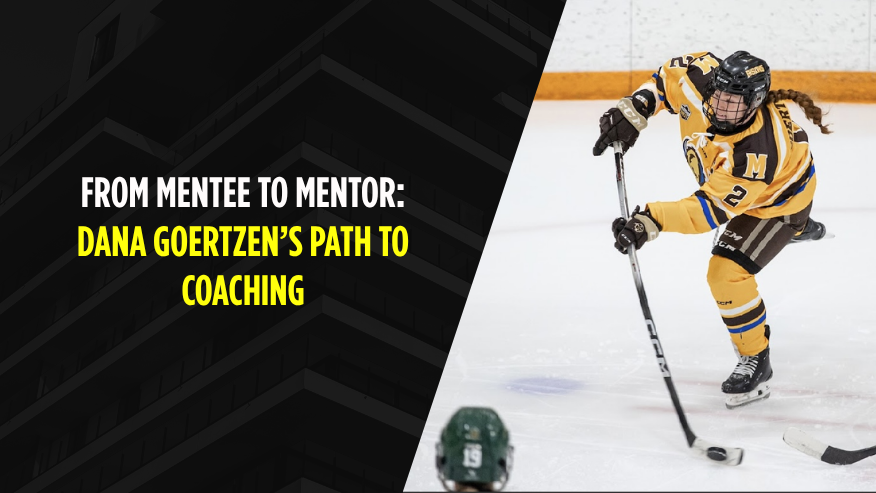
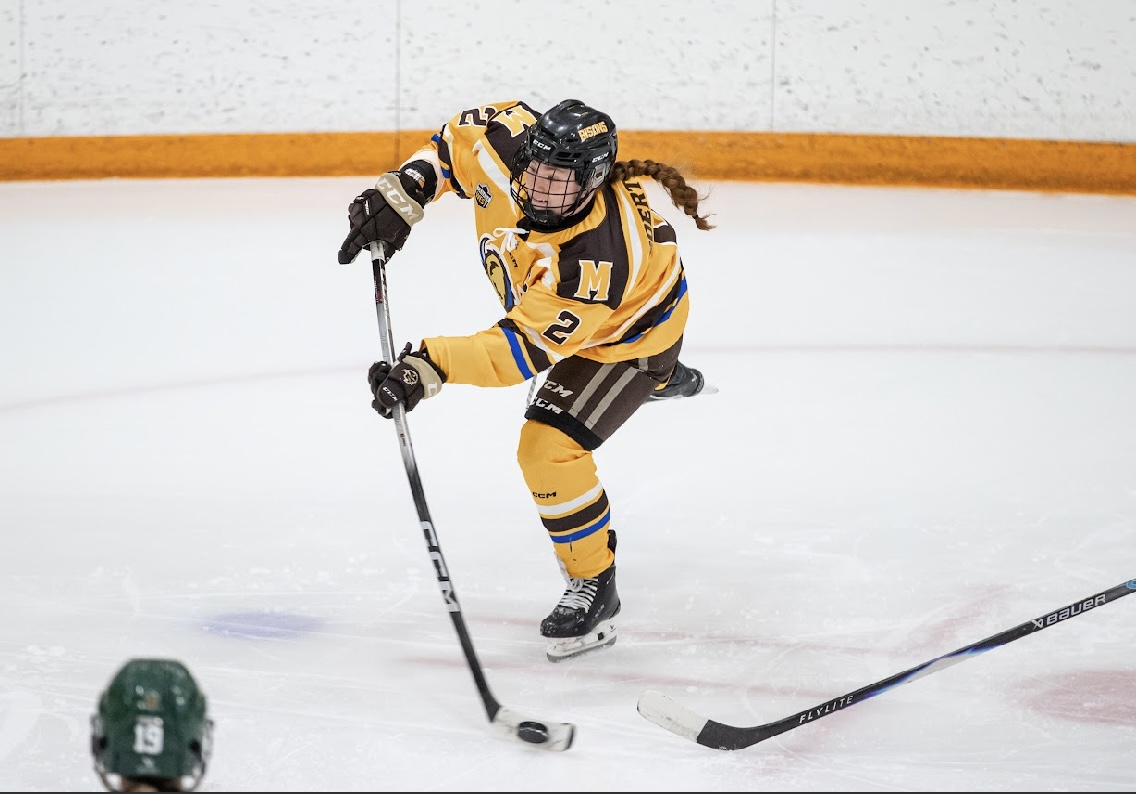
Dana Goertzen’s hockey journey traces a perfect circle. As a child in Winnipeg, she watched Bisons players volunteer as guest coaches for her minor hockey team. She attended their games and trained in their dressing room. By her teens, she wanted nothing more than to become like them. Today, as both a University of Manitoba player and assistant coach, she is doing exactly that for the next generation.
This year, that work earned Goertzen selection to Hockey Canada’s Creating Coaches program, a two-year development initiative designed to increase the number of women coaching competitive hockey in Canada. The program places U SPORTS women’s players as assistant coaches for U13, U15, or U18 girls’ teams in their home communities. Participants receive formal training, mentorship, education, and an honorarium. Goertzen is one of 22 players selected nationally for this cohort.
We spoke with Dana about her journey into coaching and what mentorship has meant to her.
The Path
Where did you grow up, and how did you get into hockey?
I grew up in Winnipeg playing every sport except hockey. I was always very competitive when competing in my other sports like dance, gymnastics and soccer. When I heard the Winnipeg Jets were bringing back their hockey team, I knew that was a sport I wanted to try. I started in the St. Boniface Stars program at 6 years old and grew a love for the sport that I’ve continued ever since.
How did you get from minor hockey to playing for the Bisons?
When I played for the St. Boniface Stars and Saints growing up, we had some of the Bisons players come out and guest coach. Also, a teammate’s dad was the head coach of the Bisons, so we were brought out to multiple season games and I became a fan rather quickly. As I got older, all I wanted to do was play hockey, so my parents signed me up for spring hockey in the Jr. Bisons program. Again, we got to use the Bison dressing room and facilities and have the players as coaches. Ever since then, becoming a Bison and being a role model for young female hockey players was something I wanted to do, just as those players had been for me growing up.
Those early moments—the guest coaching visits, access to the Bisons’ facilities, the presence of attainable role models—shaped her trajectory. Goertzen did not simply aspire to play at a high level. She wanted to become the person who made that same difference for others.
What made you want to get into coaching?
I got into coaching when I was 13 with a Shooting Stars program offered in the St. Boniface area, coaching 5 and 6 year olds. Their love for the game at such a young age and the way they just wanted to have fun was something I wanted to provide for older players who start questioning their place in hockey and just want to have fun again with the sport they fell in love with, just as I once did.
She began coaching as a teenager, working with young children. That early experience taught her something fundamental about coaching: it is not simply about skill development. It is about reconnecting players with their love of the game.
What did helping with the U18 POE tryouts this summer involve, and what did you take from it?
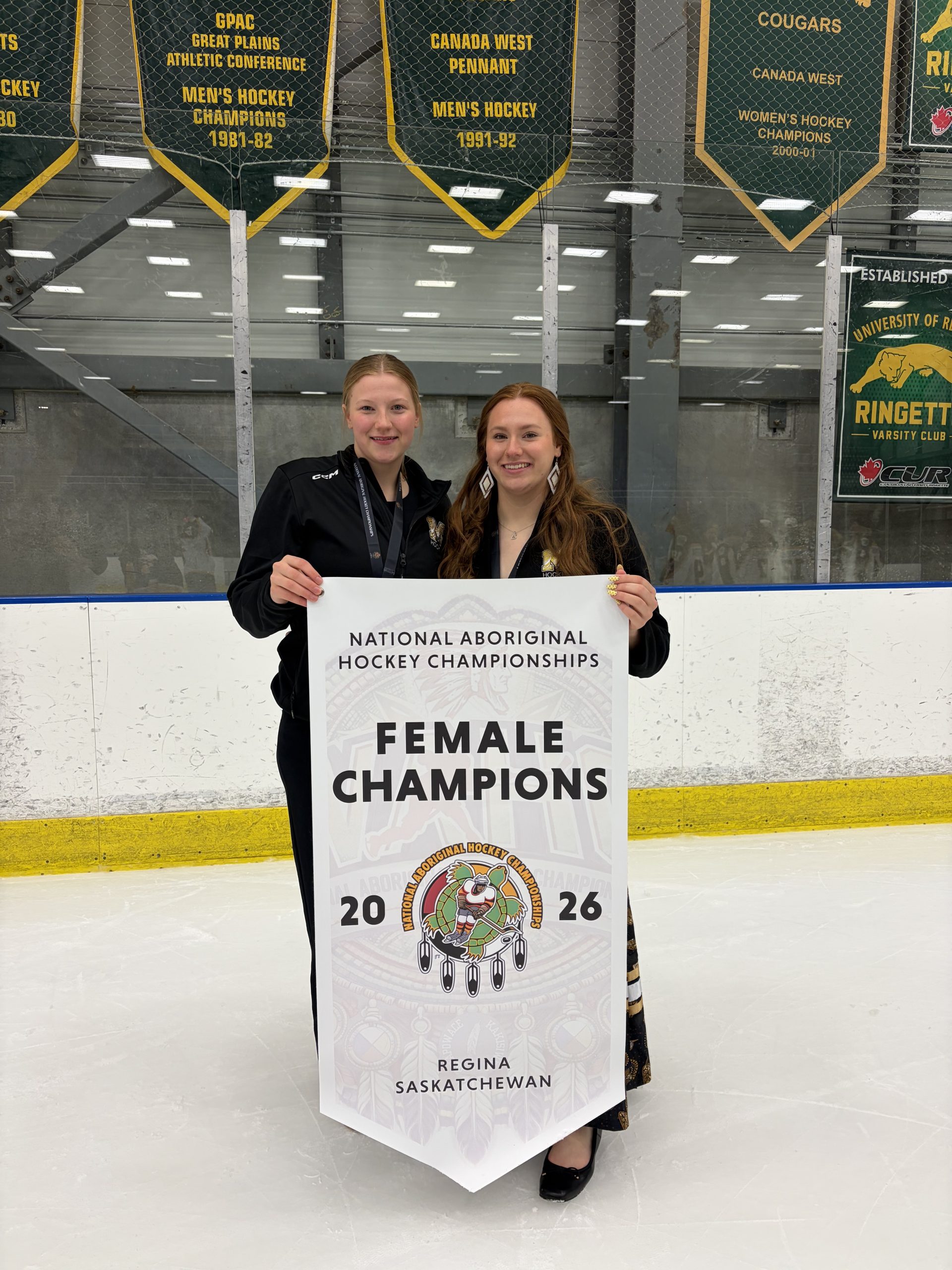
I’ve been coaching for quite a while and knew a lot of the girls trying out, so when I was asked if I wanted to be a group leader for the U18 tryouts I was very excited. I wanted to come and relate with the girls and be someone they could trust and lean on through a stressful process. I’ve been through this process and know how overwhelming it can be. I wanted to make sure the players could express those feelings to someone who understands and isn’t evaluating them.
Her dual role as both player and mentor is particularly evident in this work. Goertzen understands the pressure and anxiety that comes with tryouts because she has lived it. She uses that understanding to create space for younger players: a place where they can be vulnerable and ask difficult questions. Awareness of what young players need is not coaching theory. It is experience and empathy.
The Bisons play the U18 POE group in an exhibition series. What’s it like going from mentoring them to playing against them?
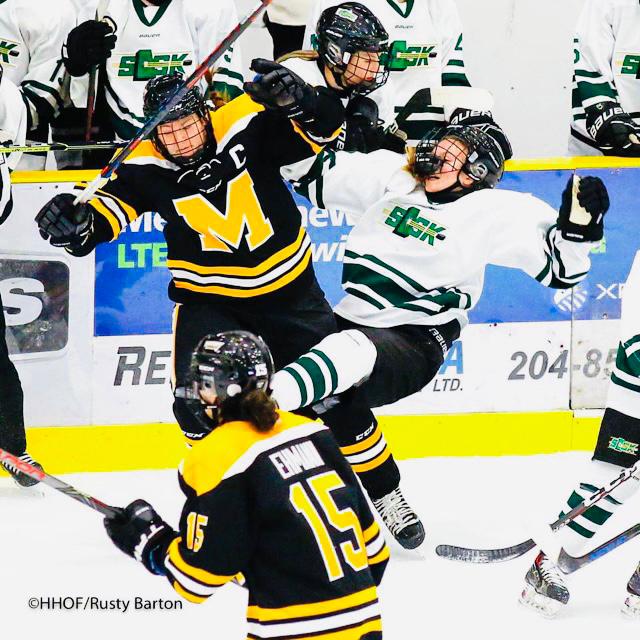
I was super excited to get to play against Team Manitoba these last couple of years, especially this year after getting to see them develop at their camp this past June and being a part of their journey. It’s also special to me to play against players I’ve helped coach since they were 11 years old, or some who I recently helped coach at the past couple of U18 NAHC championships. But ultimately, I hope it brought them some ease playing against a familiar face rather than another intimidating university player.
This is where the circle closes. The same players she has mentored, she now faces across the ice as an opponent. But her intention remains consistent: to make the game less frightening for them, to be a known quantity in an otherwise unfamiliar setting.
The Selection
What was your reaction when you found out you’d been selected for Creating Coaches?
I was very excited and honoured to be selected. I know that a lot of coaches nominate their players to be developed as coaches in this program, and to be selected was really exciting. I know how important this program is to developing young coaches into people who can eventually grow the game even bigger than it is getting, and that is something I’m excited to be a part of, especially here in Manitoba.
What are you hoping to get out of Creating Coaches over the next two years?
I’m very excited to learn from past and current coaches—their experiences, their methods, and bring depth to my coaching record by going through this program. I plan on staying in coaching for a very long time, so learning different ways to coach and how to reach different athletes is something I’m excited to dig into.
What would you say to a young player in Manitoba thinking about coaching?
Go into it with an open mind. I’ve learned that every age group and group in general is very different, but ultimately it’s the most exciting and rewarding feeling getting to be a part of a young athlete’s journey and celebrate their success as you help them develop as players and people. I love coaching and giving back to the teams that have been a part of my hockey journey these past 16 years.
Building the Pipeline
Goertzen represents a pattern Hockey Manitoba sees repeatedly: players who come through the organization’s development system, who feel the tangible impact of quality coaching and mentorship, and who turn around and give that back to the next cohort. Creating Coaches formalizes and accelerates this cycle. Over the next two years, Goertzen will deepen her coaching practice, study new approaches from established coaches, and continue building Manitoba’s pipeline of women in coaching roles. The players she mentors today will remember her the way she remembers those Bisons players who showed up for her. That is how the game grows: through the choices of people like Dana Goertzen.
Share